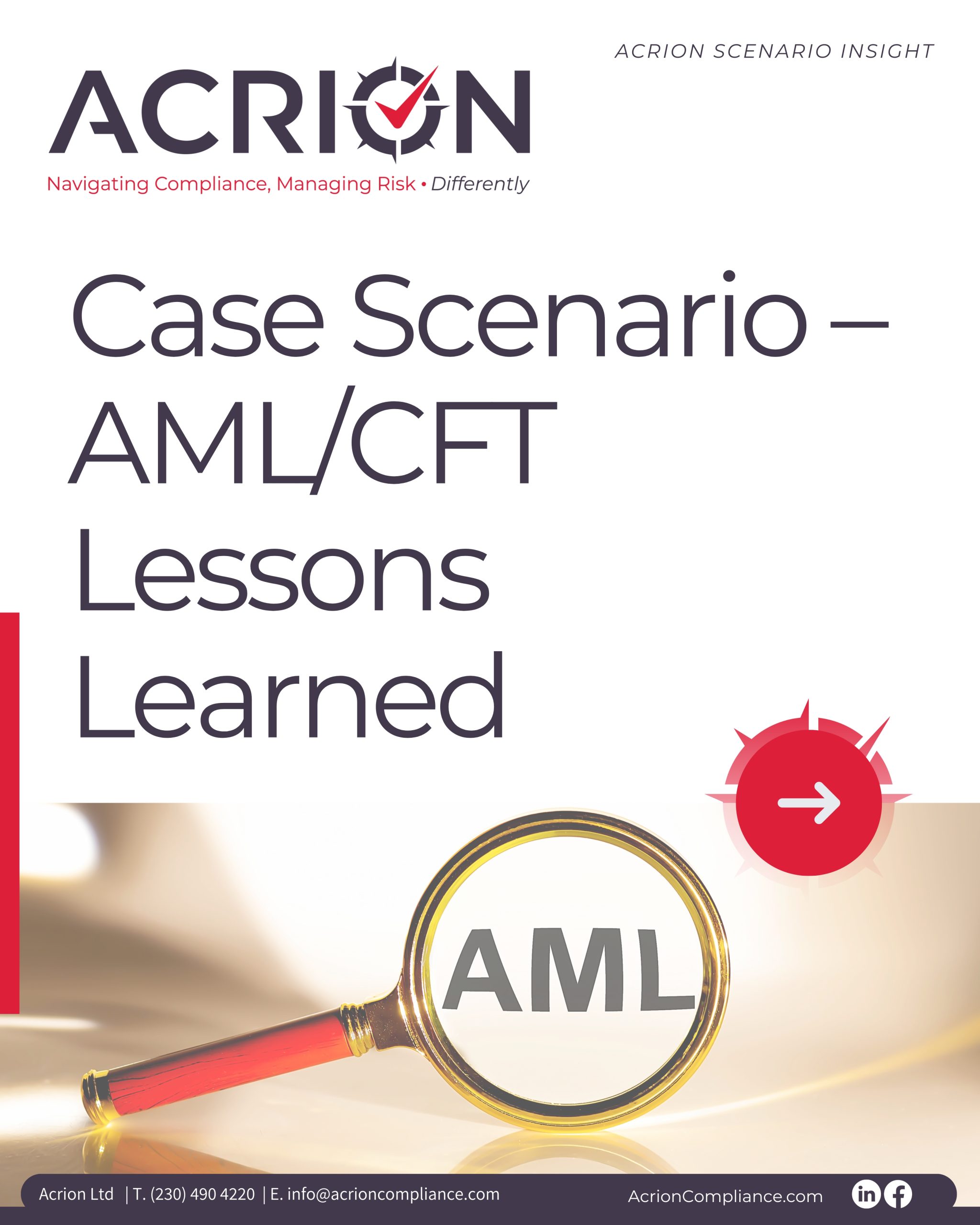
What began as a sovereign development fund became a vehicle for the misappropriation of more than USD 4.5 billion through weak oversight and broken AML/CFT controls, exposing systemic compliance lapses across borders.
Multiple global banks were implicated for failing to stop or escalate suspicious activity. Singapore’s regulator penalised institutions including Standard Chartered (S$5.2m) and Coutts (S$2.4m), and shut down BSI Bank and Falcon Bank for inadequate AML controls in 1MDB-related flows.
Longer-term consequences include significant settlements such as Goldman Sachs (~USD 3.9bn) and JPMorgan’s USD 330m settlement with Malaysia, alongside fines in Switzerland on its Swiss unit for AML failings.
In December 2025, former Malaysian Prime Minister Najib Razak was sentenced to 15 years’ imprisonment and fined roughly 13.5 billion MYR (~USD 3.3 billion) for abuse of power and money laundering tied to 1MDB — underscoring accountability at the highest level.
For financial institutions and corporates alike, the lessons are clear:
• Strong AML/CFT controls and governance frameworks are non-negotiable.
• Risk-based due diligence and real-time monitoring can prevent escalation of suspicious flows.
• Clear lines of accountability and effective escalation protocols are essential to mitigate systemic risk.
At Acrion, we help organisations strengthen compliance frameworks, enhance risk governance and implement robust AML/CFT controls — so you can detect, respond and reduce financial crime risk before it becomes headline news.
Navigating Compliance. Managing Risk. Differently