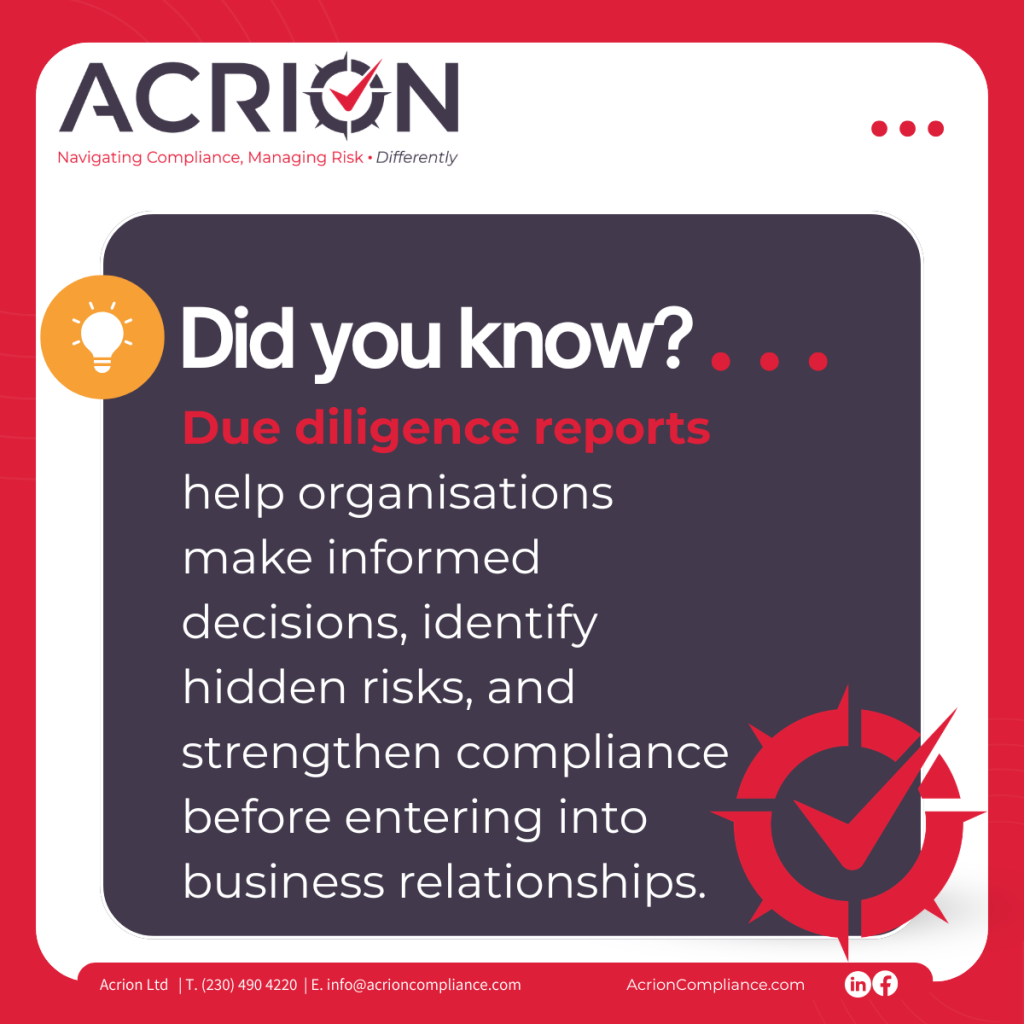
Due diligence reports are a critical component of an effective AML, CFT and CPF framework. They help organisations assess risks, verify counterparties, and make informed decisions before onboarding clients, entering partnerships, or conducting major transactions.
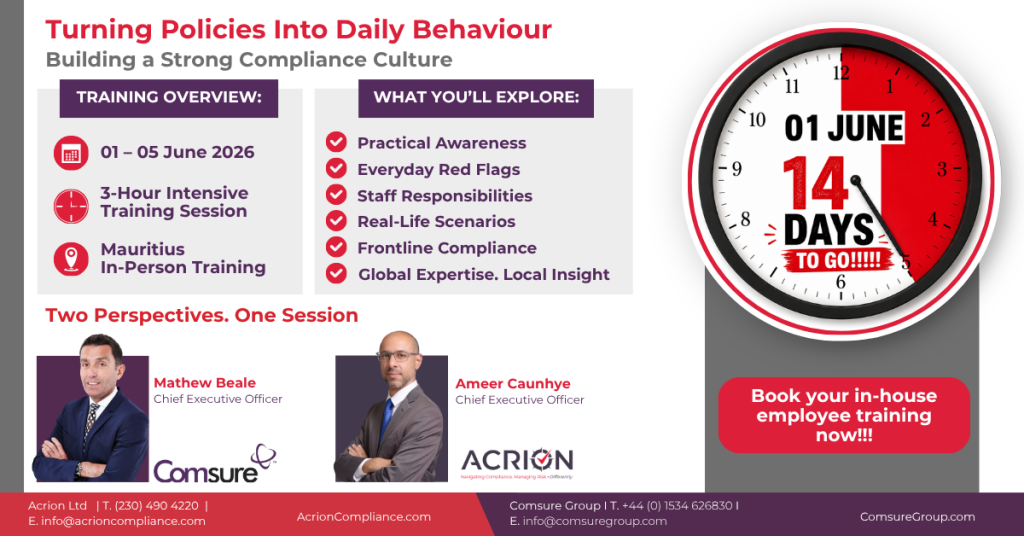
THE CLOCK IS TICKING TO JUNE 1,2,3,4 AND 5
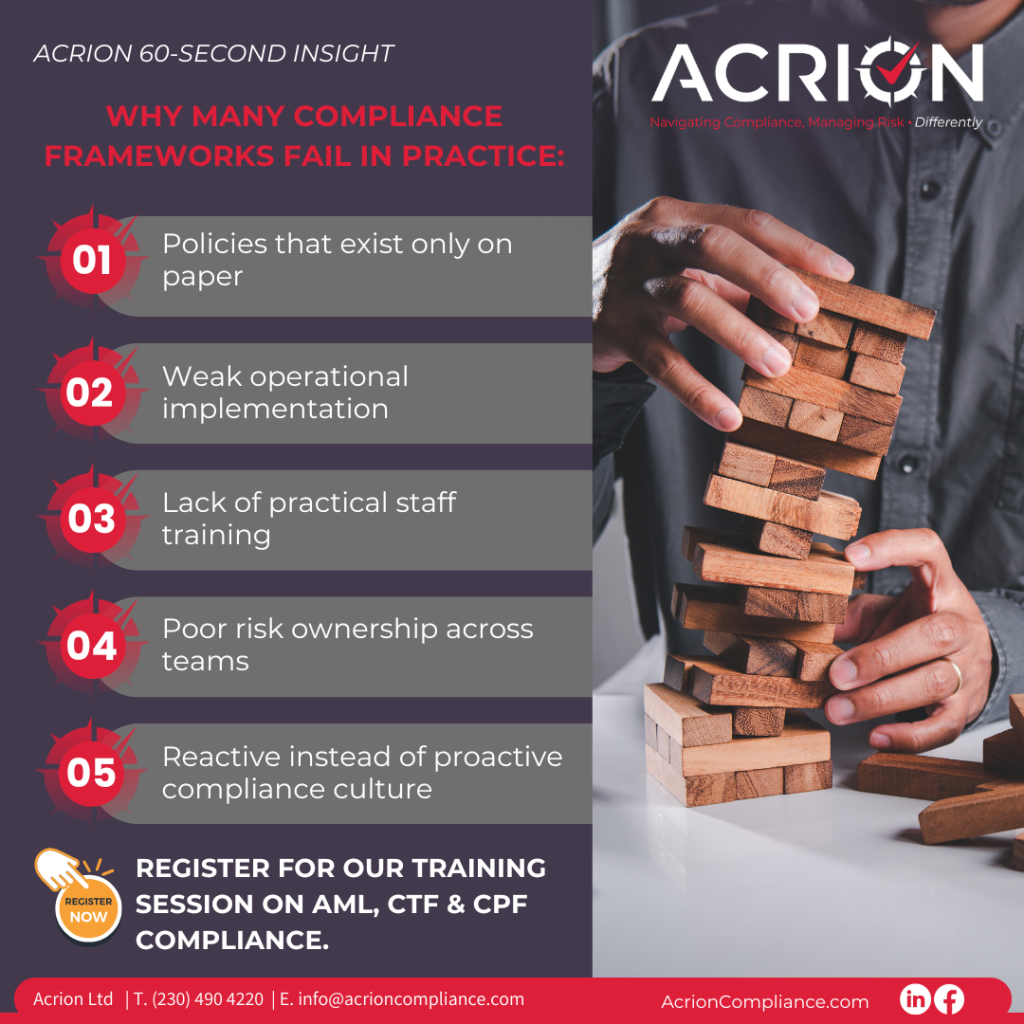
Many compliance frameworks appear robust on paper – but struggle when applied in practice.
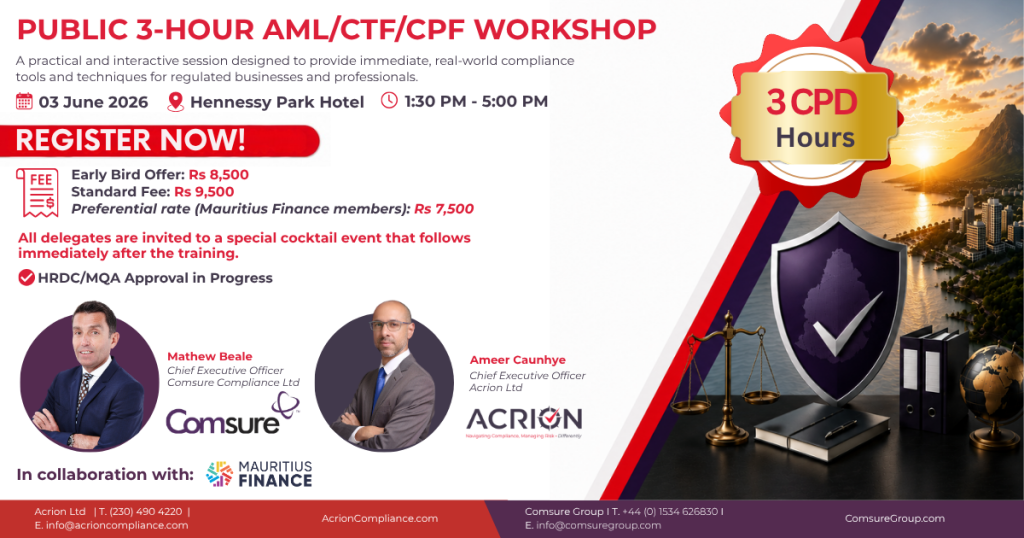
Join us for an engaging and practical training session on:Practical AML, CTF & CPF Compliance, in collaboration with Mauritius Finance.
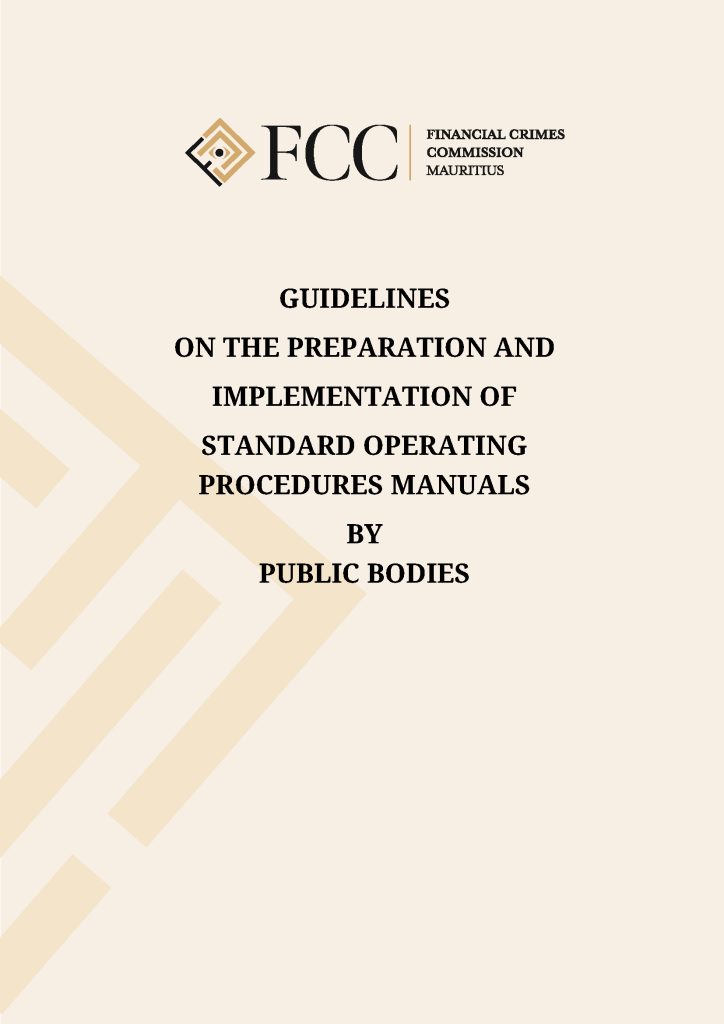
The Financial Crimes Commission (FCC) has issued the Guidelines on the Preparation and Implementation of Standard Operating Procedures Manuals (SOPM), reinforcing the critical role of strong operational governance in safeguarding financial integrity and maintaining public trust within government institutions.
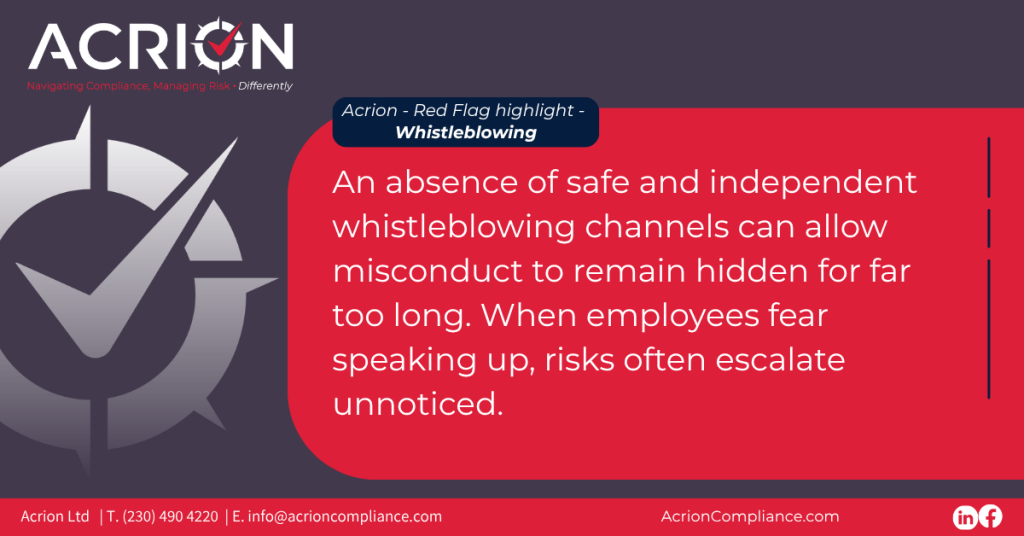
One of the most overlooked compliance red flags within organisations is the absence of an effective whistleblowing framework. When employees, contractors, or stakeholders do not feel safe reporting misconduct, unethical behaviour can remain undetected until it develops into a far more serious issue.
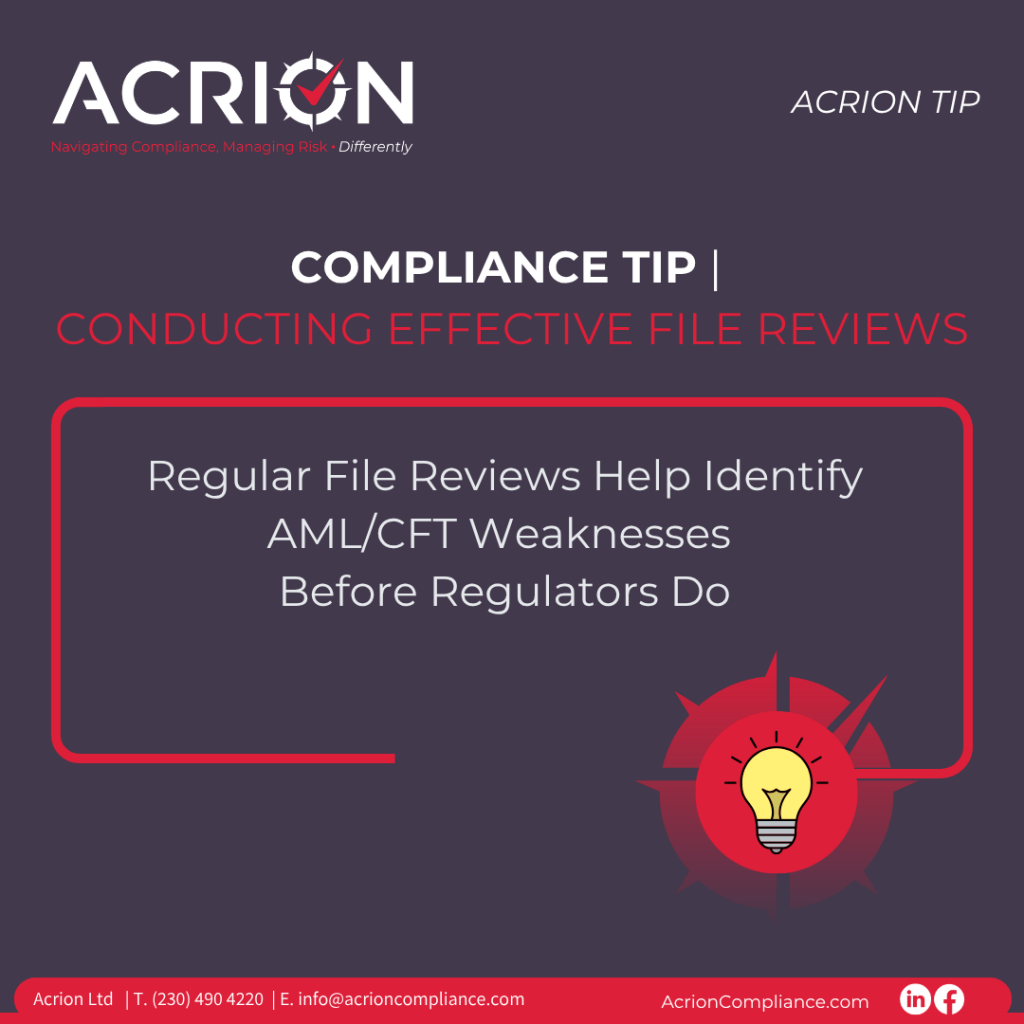
Client files are more than administrative records – they are a direct reflection of the effectiveness of an organisation’s AML/CFT framework.
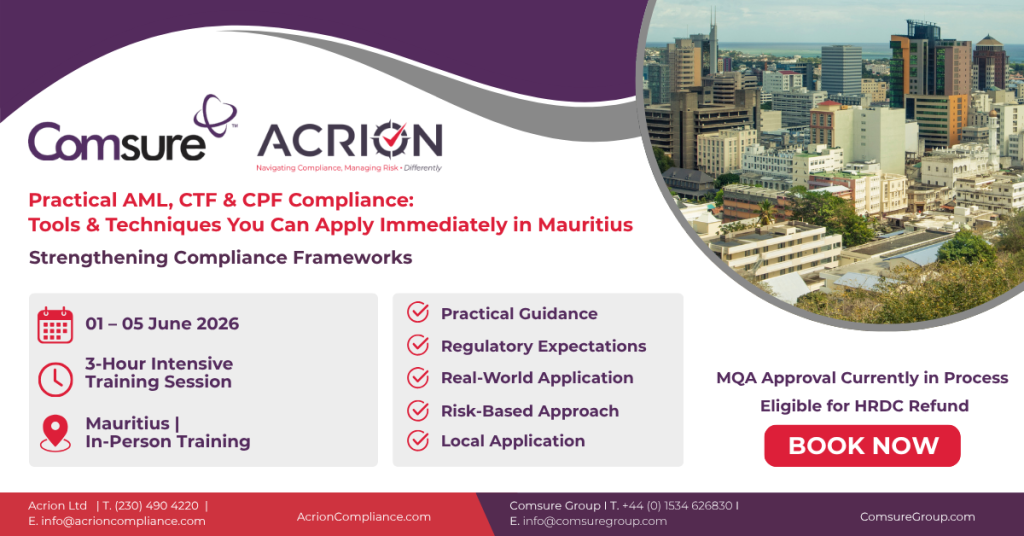
AML / CFT / CPF compliance continues to evolve rapidly, with regulators expecting institutions to demonstrate not only strong frameworks, but also practical implementation and effective risk management.
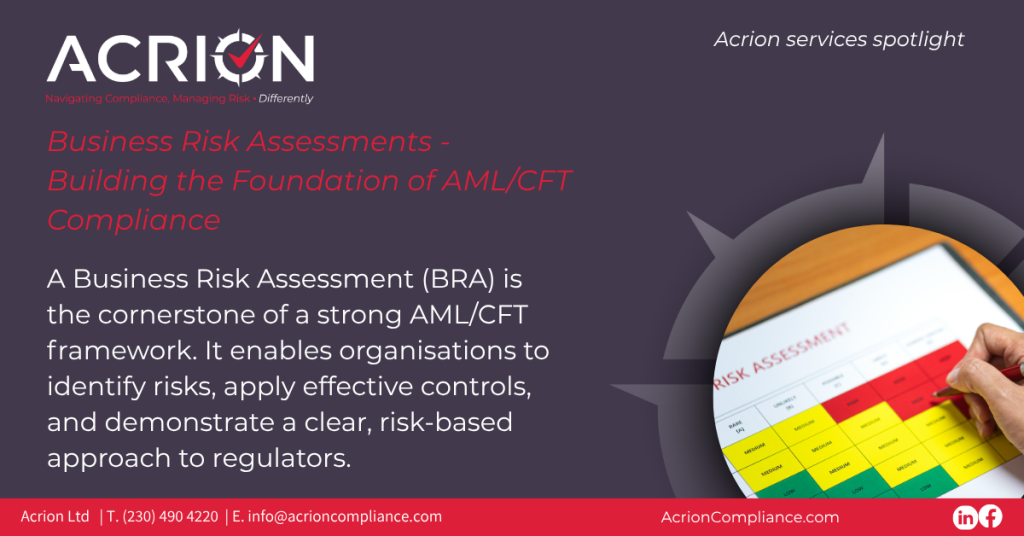
At Acrion, we design and deliver tailored Business Risk Assessments that go beyond regulatory formality. Our approach ensures that your AML/CFT framework is built on a clear understanding of your actual risk exposure – not assumptions or generic templates.
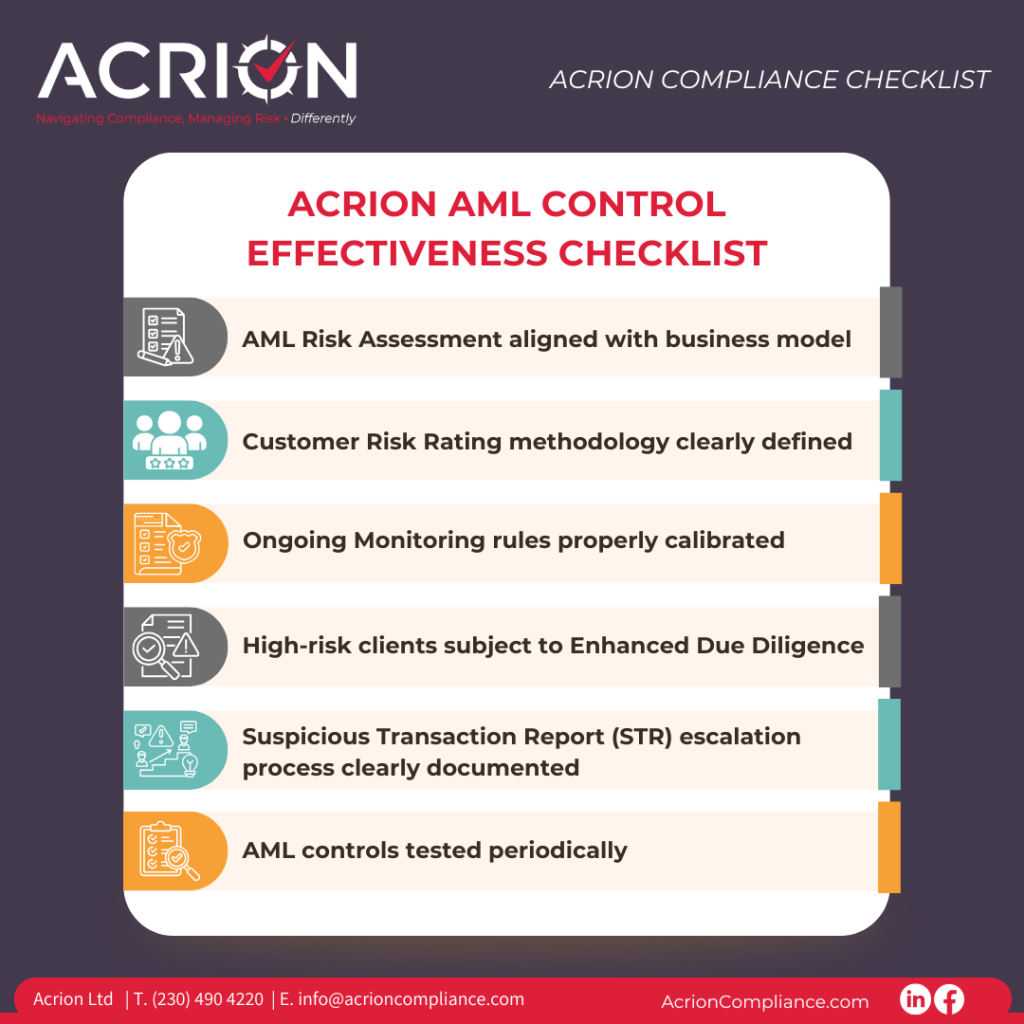
As regulatory scrutiny continues to deepen, firms are expected to demonstrate not only the existence of AML frameworks, but their effectiveness in practice.